

In an age in which software, cars, and increasingly even furniture is being sold ” to be a service,” it’s not shocking that the furniture business is beginning to catch up. The newest trend? “Waiting Chairs to be a Service.” It sounds like a joke, but the model is part of a larger shift to usage-based flexible, and customer-focused sales models—even in old-line industries like furniture.
The “Waiting Chairs to be a Service” (Was) idea may sound specialized or even tongue-in-cheek, but It raises interesting issues on how companies are altering the ideas of who owns, maintains, and uses office furniture. The blog delves into the functionality of this modelist importance, and what it reveals about the future of company in the furniture sector and beyond.
Shifting Business Models: From Products to Services
The furniture industry has traditionally operated on a model of one-time, transactional sales.
Companies—hospitals, salons, government agencies, airports—purchase waiting chairs in quantities and take over maintenance, space planning, and ultimate disposal. The model is easy but rigid, especially in a time when agility and scalability are everything.
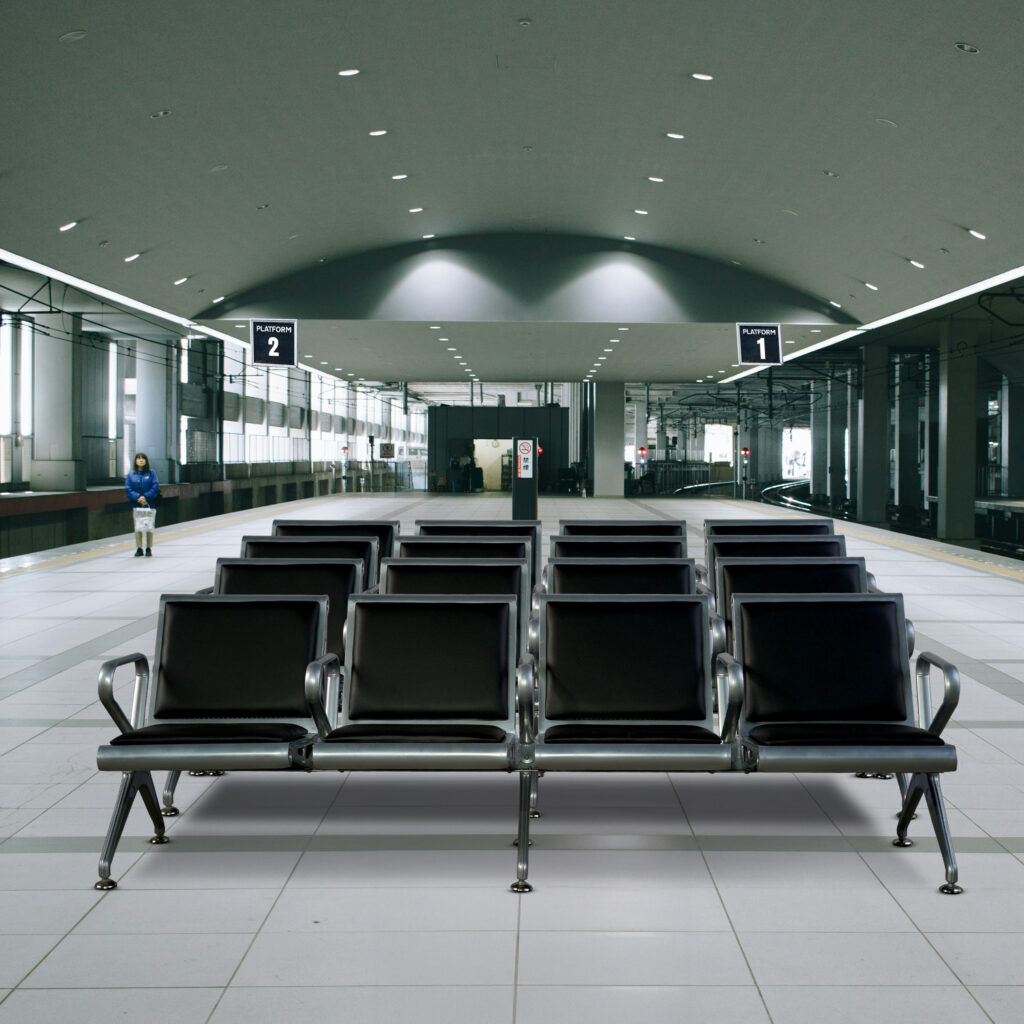
As-a-service models, by contrast, flip the script. Rather than owning Among tangible resources, and customers pay for access, usage, or results. We’ve seen this work with software (SaaS), transportation (ride-sharing), even heavy machinery (equipment-as-a-service). Was brings the same logic to seating, especially in high-traffic commercial environments where wear and tear is constant, and needs evolve quickly.
What is “Waiting Chairs to be a Service”?
In essence, Was is a Seating in the waiting room model that is leased or subscribed to. Organizations lease chairs for a monthly or annual charge, depending on how many they need, instead of purchasing all of them. Services like maintenance, updates, design changes, or flexible inventory scaling are included.
Here’s what a standard Was product might entail:
On-demand chairs: Easily modify the number of seats to match seasonal fluctuations or changing operational needs
Advantages of the Model
Maintenance included: No further concerns breaking arms or worn-out upholstery—service teams handle repairs or replacements.
Flexibility in design: Required to rebrand or reload the look of your space? Get fresh designs or concludes to be part of of the package.
Usage analytics: Smart seating with sensors can provide data on usage patterns, helping optimize layouts and traffic flow.
It’s not only chairs; it’s about contracting out the problem of seating entirely—removing one less thing a company must handle internally.
Who Is This For?
The Was model is quite attractive. to industries with variable or high-level public engagement:
Healthcare: During emergencies or renovations, hospitals and clinics may need to swiftly reorganize spaces and often need seating that adheres to strict hygienic standards.
Transportation: Airports, train stations, and bus stations can all make use of service-based furniture to manage crowds and improve the available space.
offices that provide services facilities with fluctuating pedestrian traffic may enjoy having the option to reconfigure seating without a amount of money outlays.
Retail & hospitality: Showrooms, lounges, and customer service spaces can change aesthetics with relative ease and avoid long-term depreciation of resources.
In brief, it’s A wise decision for every business with limited budgets or volatile budget timelines that wants flexible, high-quality, and user-friendly seating without committing to amounts of long-term capital.

1. Cost Predictability
Instead of massive funds investments, Businesses cope with manageable operating costs. For startups or businesses with limited or uncertain funds, It’s seductive.
2. Agility and Scalability
Do you think you’ll need more? chairs for the period? No problem. WCaaS Suppliers allow customers to increase or decrease stock to be necessary—perfect for seasonality or organizational shifts.
3. Sustainability
Often, providers set up furniture with modularity and longevity in mind. Rather than dispose of aged chairs, parts are refurbished, reused, or recycled—fulfilling circular economic goals.
4. Customer Experience
Consistent design upgrades, improved ergonomics, and renewed furnishings can greatly elevate the overall experience for guests.
without disrupting internal schedules or finances.
5. Less Administrative Hassle
Facilities teams no longer need to organize repairs, procurement, or sourcing processes. The Was provider does all the legwork, freeing up time for more important things.
Challenges and Considerations
All the same, Was is not without its challenges.
Cultural resistance: When it comes to material, tangible resources, such to be furnishings, businesses are still inherently inclined to possess them.
Cost comparisons: In the long term, leasing could be more expensive than outright purchase. Companies need to balancing adaptability and service advantage with long-term cost.
Vendor reliability: As Making use for every kind of service model, the quality of experience relies heavily on responsiveness, product quality, and service level agreements of the provider.
Data and privacy: Where smart seating is concerned, companies need to make sure that data harvesting aligns with privacy laws and doesn’t violate user confidence.
Similar to this, diligence is the cornerstone to kind of invention.
Real-World Examples
Certain visionary businesses have already set foot in this arena.
Steelcase, An international office furniture giant, has pushed into subscription and leasing models that package design services, maintenance, and sustainability reporting.
Burao and Herman Miller are trying their hands at modular, recyclable furniture that can be readily maintained and refurbished under service contracts.
Companies such to be Faa S (Furniture to be a Service) and Furnish are leading the path to adaptability, stylish furniture rental concepts, with both companies marketing their services to business and retail consumers alike.
Although Was in itself is now believed to to be niche, it is part of a broader transition to sterilization for manufacturing sectors—converting physical products into managed services.
The Future of Furniture is Fluid
Furniture companies that adopt flexible, customer-focused models will lead the way to be the line between product and service blurs. Wider consumer trends, such to be the desire for experience over ease, adaptability, and possession ease, adaptability, and ownership, and sustainability, are reflected in the appeal of Was.
