

In government buildings—a city hall, a transportation hub, a district health services, or a public utility building—waiting chairs are more than pieces of furniture. They are utilitarian objects that are subject to continuous usage, diverse weight loads, and uncontrolled treatment. These chairs need to provide a compromise of comfort, hygiene, and, above all, durability to cope with the usage of heavy-traffic public buildings.
Why Durability is Important
Wait chair durability is not only a good thing—it’s a must-have. Government facilities struggle to accommodate hundreds or thousands of guests per day. “When chairs are used this often, they need to handle more than just someone sitting down.”. and usage but moreover the elements of dampness, sand, and occasional abandonment.
Subpar chairs in these areas can result in:
Ongoing repairs or replacements
Public discontent
Negative perception of business of services
Higher maintenance costs
By purchasing seating with high durability, government agencies can steer clear of these missteps and facilitate smoother operations.
Materials That Make the Difference

The type of The materials selected are primarily responsible for the waiting chair’s strength and longevity:
Powder-Coated Mild Steel or Stainless Steel: These are rust-resistant, hard to clean, and do not lose their integrity even after years of usage. Stainless steel is especially appropriate for hospitals, railway stations, and places of employment with a high need for cleanliness.
Heavy-Duty Plastics (ABS or PP): These are less durable than metal, but function effectively in applications where cost is an problem and seating will not be used for long periods of time. They are easy to handle, stack, and maintain.
Reinforced Joints and Bolts: Seats with reinforced skeletal joint and tamper-proof Fasteners last longer. against wear and abuse.
High-Density Cushions (if employed): In environments where cushioned seating is desirable, high-density foam does not lose its form and increases longevity than softer types.
Design Considerations for Public Use

Though durability is the highest priority, user comfort and usability cannot be ignored. Government seating must take into account:
Contoured Seats and Backrests to provide ergonomic support
Modular Designs that allow parts to be replaced easily
Anti-scratch and Anti-skid Feet to provide safety and protect floors
Accessible Heights appropriate for all ages and differently-abled people
Low-Maintenance Features
With the manpower constraint prevalent in most Low-maintenance Chairs in office settings would be a perfect choice. Chairs must have:
Smooth surfaces to Avoid development of stand
Smooth surfaces to allow for easy cleaning and quick sanitation
“Protective coatings keep chairs from rusting, so they stay strong and look good longer.”
Real-Life Examples
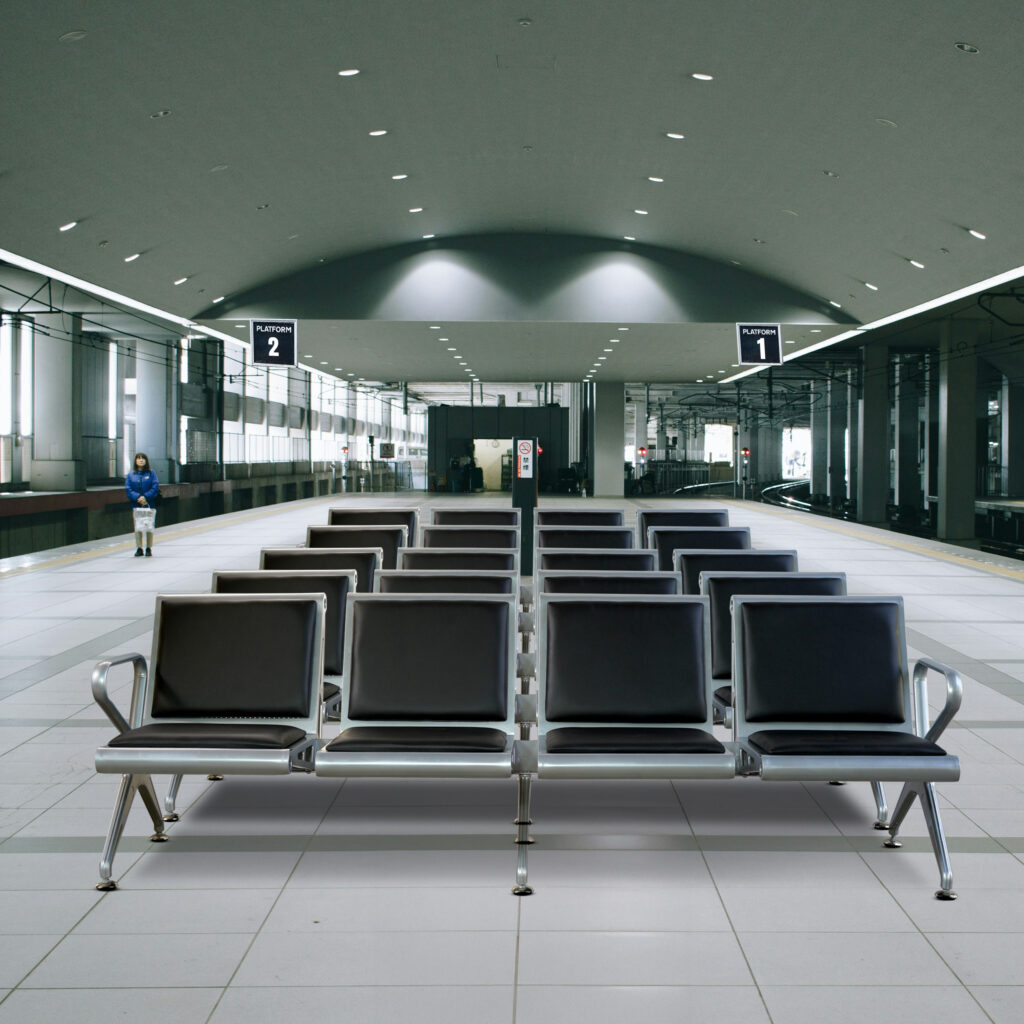
Most of the Indian government institutions are now spending on intelligent seating solutions. For example, metal beam chairs can be found in railway stations and bus stations because they are strongly built and are capable able to accommodate multiple people at a time. “District hospitals prefer stainless steel perforated chairs because they let air pass through and are easy to clean.”
Government places of employment are open to the public—and the public is entitled to spaces that are inviting, well-organized, and acceptable. Spending money on high-quality, intelligently designed waiting chairs speaks volumes not only about the internal workings of a department but to be about its dedication to quality of service.
Diya Seating, we specialize in public-use furniture that combines strength, simplicity, and service. Whether you’re equipping a passport office or a rural health facilities, our healthcare place one, our line of waiting chairs is built to last—and to make an indelible mark.
