

When we discuss improve education, we tend to think about more effective teachers, newer textbooks, or intelligent classrooms. But there’s one aspect that tends to go unnoticed—seating. Yes, the desk chairs students occupy daily can have An important effect on their ability to focus and learn.
Let’s discuss how seating contributes to student concentration in plain language.
1. Comfort Equals Focus
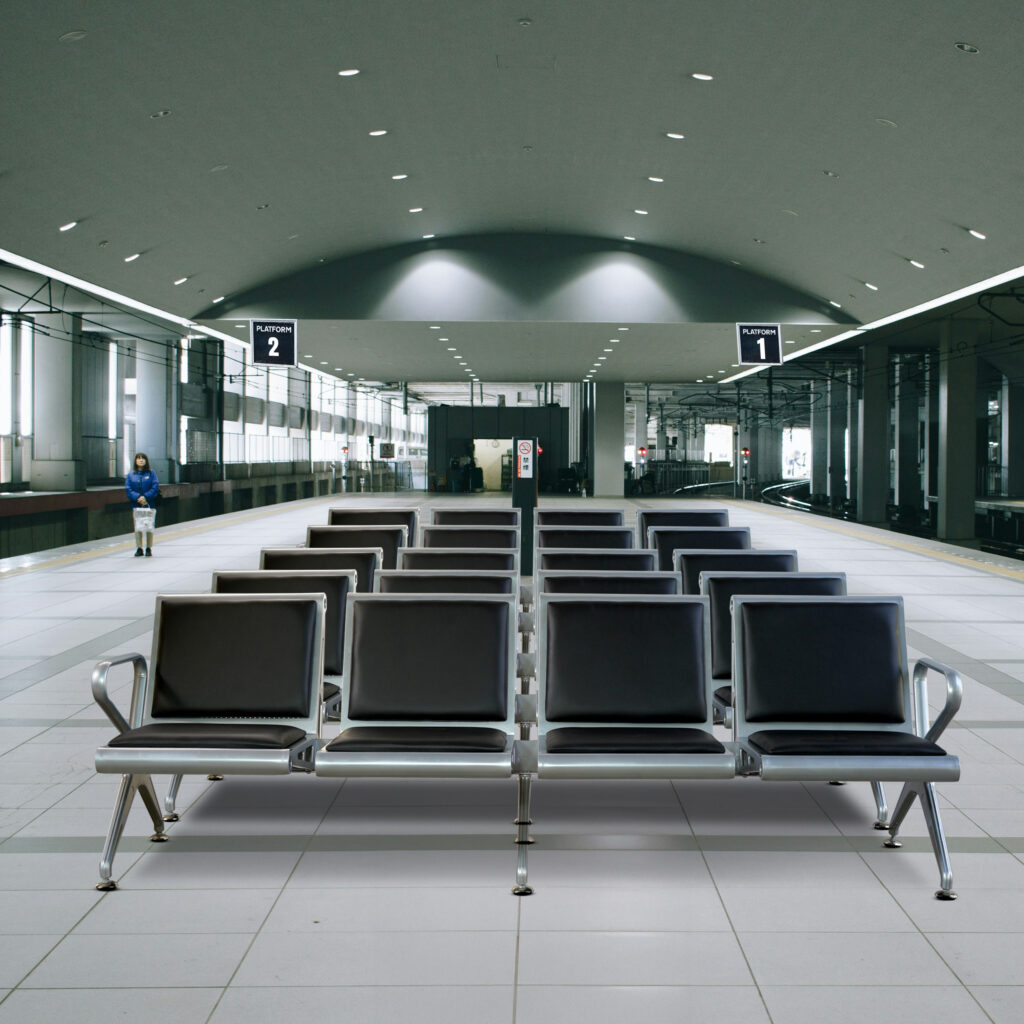
Now think about spending hours on a chair that feels more like a wooden plank than a seat. Your back aches, your legs are numb, and all you can do is wonder when you can stand up. Imagine now that you are trying to do math or write an essay with that kind of feeling. It’s not easy, is it?
Comfortable seating ensures Students pay attention. to their lessons rather than being diverted by distress. Well-designed ergonomic chairs that provide back support and facilitate movement can make It makes a variance, especially for children who spend a lot of time sitting.
2. Posture Matters
Good posture is not only about standing upright—it’s subsequently about sitting properly. Seating improperly causes slouching or uncomfortable sitting positions, which can lead to fatigue and decreased levels of concentration. With students sitting correctly, Blood flow gets better., breathing is improved, and the The brain is still more alert.
Properly heighted chairs with a back prevent slouching and promote good posture. Even better is adjustable seating, since it may be modified to the height of the student and the table.
3. Flexible Seating Fosters Engagement
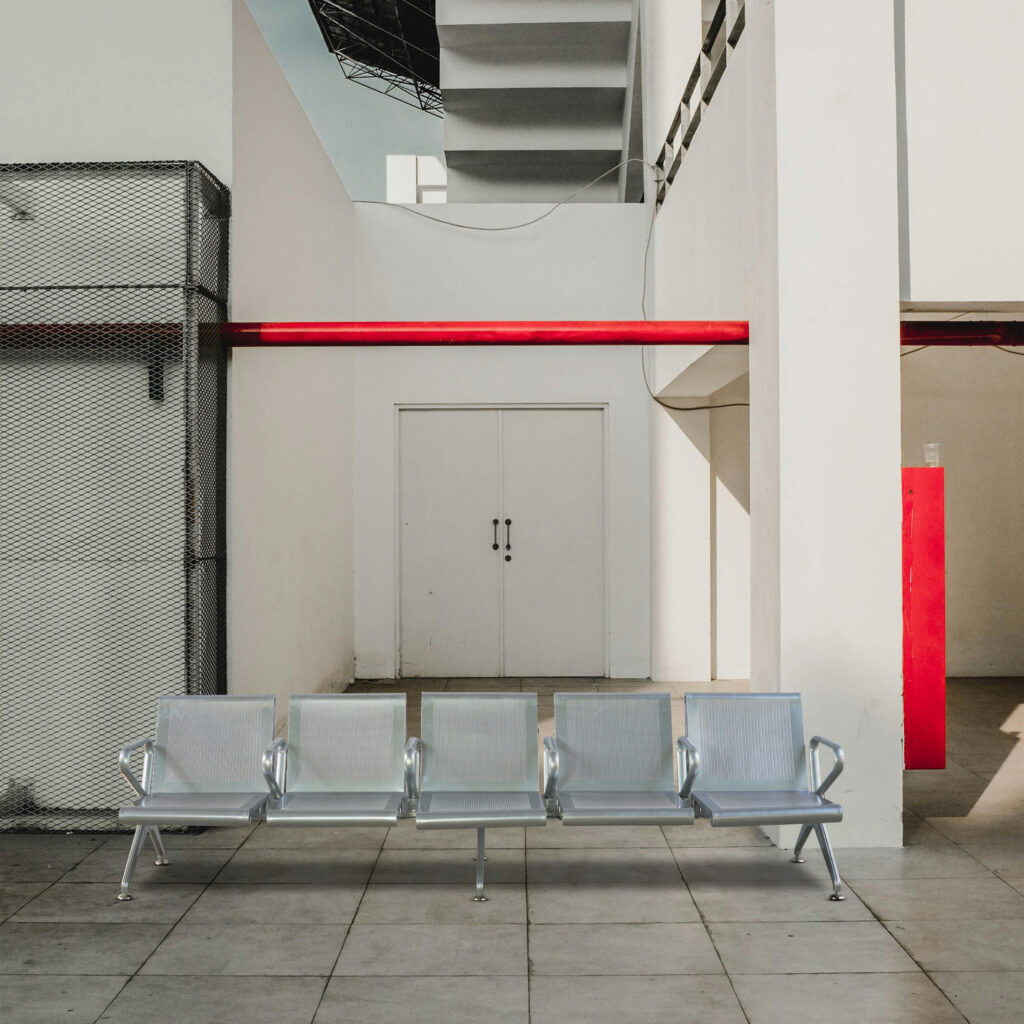
Classrooms aren’t what they used to be—those old-school rows of desks are becoming a thing of the past. Numerous schools are experimenting with flexible seating—bean bags, stools, standing desks, or cushy chairs—to Permit more independence for students in how they learn.
This diversity assists in a variety of ways. Some students work better in a standing position, while others thrive when they have a quiet corner to read. Flexible seating has the potential to decrease restlessness, increase participation, and even make shy students feel more comfortable.
It’s more than just comfort—it’s choice. And providing students with choice may make them feel more committed to learning.
4. Seating in Groups and Collaboration
Contemporary learning is always collaborative, involving group work, discussions, and creative thought. Single desks of the traditional kind may not other products different A round table or adjustable However, seating makes it easier to easier collaboration between students, sharing of ideas, and easy communication.
If they are seated in comfort in a group, students talk more effectively and learn from one another. This social learning subsequently improve confidence and participation.
5. Minimizing Distractions
Some classroom chairs squeak. Some wobble. Some are just too small or too large. These may be little problems, but they can be big distractions. Wobbly or creaky furniture takes the focus away from the lesson.
Seating that is high quality and fits the student performs effectively and maintains stability, avoid these types of distractions. Also, well-organized seating configurations that minimize clutter and chaos, which subsequently supports calm and concentration in the classroom.
6. Special Needs and Inclusive Seating
Not all students learn in the similar way. Students with attention disorders, sensory sensitivities, or physical disabilities would need particular kinds of seating. For example, a few students learn best with wobble stools or fidget chairs that allow some movement but don’t interfere with the class.
Inclusive seating provides every child, no matter what their ability is, with the focus and thrive.
