

In healthcare, seating is not just about comfort—it’s safety, cleanliness, ease of access, and conformance to a myriad of standards intended to protect patients, guests, and workers. Wherever they are located—from clinics and hospitals to diagnostic clinics and public health centres—chairs are subject to certain requirements in order to allow patient care and operational effectiveness. “Not following the rules can lead to fines, poor patient care, and more maintenance costs.”
- Here is a step-by-step, no-nonsense guide to knowing and fulfilling healthcare seating compliance requirements.
1. Emphasize Hygiene and Cleanability

Cleanliness is paramount in healthcare settings where infection control is paramount. Seating needs to be:
Produced using non-porous, wipe-clean materials like stainless steel, medical-grade vinyl, or high-grade plastics.
“Engineered with a seamless construction to eliminate areas prone to microbial buildup.”
Capable of withstanding disinfectants since regular cleaning a common practice in medical facilities.
Compliance Tip: Search for chairs that are hospital infection control compliant and marked “antimicrobial” or “medical-grade.”
2. Be ADA and Accessibility Compliant
Chairs need to be available to everyone, including those who have disability and mobility issues. To conform:
Include a variety of seat heights, including those with arms to assist sitting and standing.
Make sure there are unobstructed pathways and ample space between seating to accommodate wheelchairs and assistive devices.
Provide specific spaces for wheelchair users that meet ADA (Americans with Disabilities Act) or regional similar standards.
Compliance Tip: Check local building and Providing access codes for minimum reach ranges, transfer space, and aisle width.
3. Implement Fire-Retardant Materials

Fire-rated materials must be used in healthcare facilities, especially in patient care areas, to wait rooms, and corridors. Seating has to meet:
BS 7176, CAL 117, or similar national fire safety regulations based on locality.
Fire retardant and tested for flame spread and smoke development foam and upholstery.
Compliance Tip: Always order fire certification reports from the manufacturer and see that materials comply with the necessary fire safety class for classification.
4. Support Structural Durability and Safety
Chairs used in healthcare areas have heavy, constant use. They need to be strong and able to safely support a differ of body weights.
“Go for strong frames made from tough plastic or metal, shaped to last. Make sure all parts stay and can’t be removed easily.”
Pick models tested at a high weight ability (usually 250–400 lbs or more for bariatric usage).
Compliance Tip: Request load testing reports and safety certifications (such to be ANSI/BIFMA standards) from suppliers.
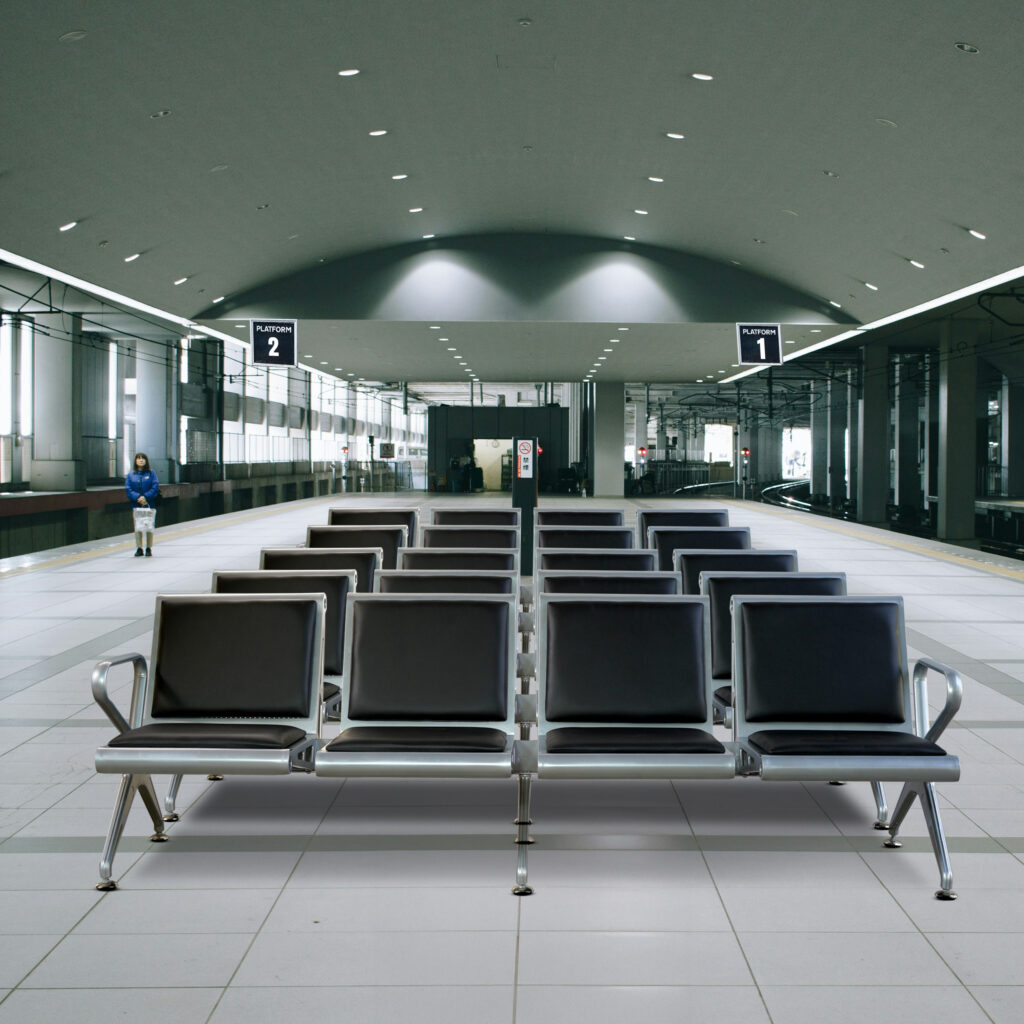
5. Obey Layout and Spacing Requirements
Aside from the chair itself, where it is set up is important. It involves meeting:
“Always keep exit paths clear so people can get out quickly in an emergency.”
Adhering to minimum space requirements for infection control and mobility access.
Not overcrowding or blocking emergency egress and equipment areas.
Compliance Tip: Coordinate with ability planners to have the seating plan conform to all fire, Providing access, and health department codes.
Healthcare seating is not just utilitarian—it’s regulated. Compliance makes sure Your The is safe and convenient., and efficient. At Diya Seating, we provide healthcare-specific products designed to meet strict guidelines for hygiene, fire, durability, accessibility.
Whether you’re equipping a clinic or renovating a hospital wing, our compliant seating solutions balance quality, safety, and concern to help you build spaces that protect and serve everyone.
