

The waiting room serves to be a silent missionary while people wait before starting the main experience, be it a clinic, office, hotel lobby, or spa. And occupying the heart of it? The chair for waiting.
We tend to underestimate the simple waiting chair, but it is a crucial element in determining how consumers see a business, group, or brand. It’s not furniture; It is a communication from the mind, a design feature, and a trust-building tool. In design, waiting chairs subtly shape first impressions—more than we know.
Why First Impressions Matter
First impressions take seconds. According to mental research, people form opinions on a location in seven seconds of seeing it. Although signage, lighting, and decor play a role, the waiting chair is one of the few features that directly interacts with the body. Guests don’t merely see it—they feel it.
A waiting chair’s look, feel, and operation send a powerful message. Calm or professional? Comfortable or sterile? Thoughtful or rushed?
Every element of a waiting chair, from position and ergonomics to fabric and color, adds to the mood and emotional resonance of the room.
The Psychology of Seating
When people enter a waiting room, their subconscious mind searches for comfort and safety. This is evolutionary behavior—our brains are programmed to quickly scan new surroundings for threats or comforts. The shape of the chair they are going to sit in contributes to soothing anxiety or fueling it.
Comfort Reduces Stress
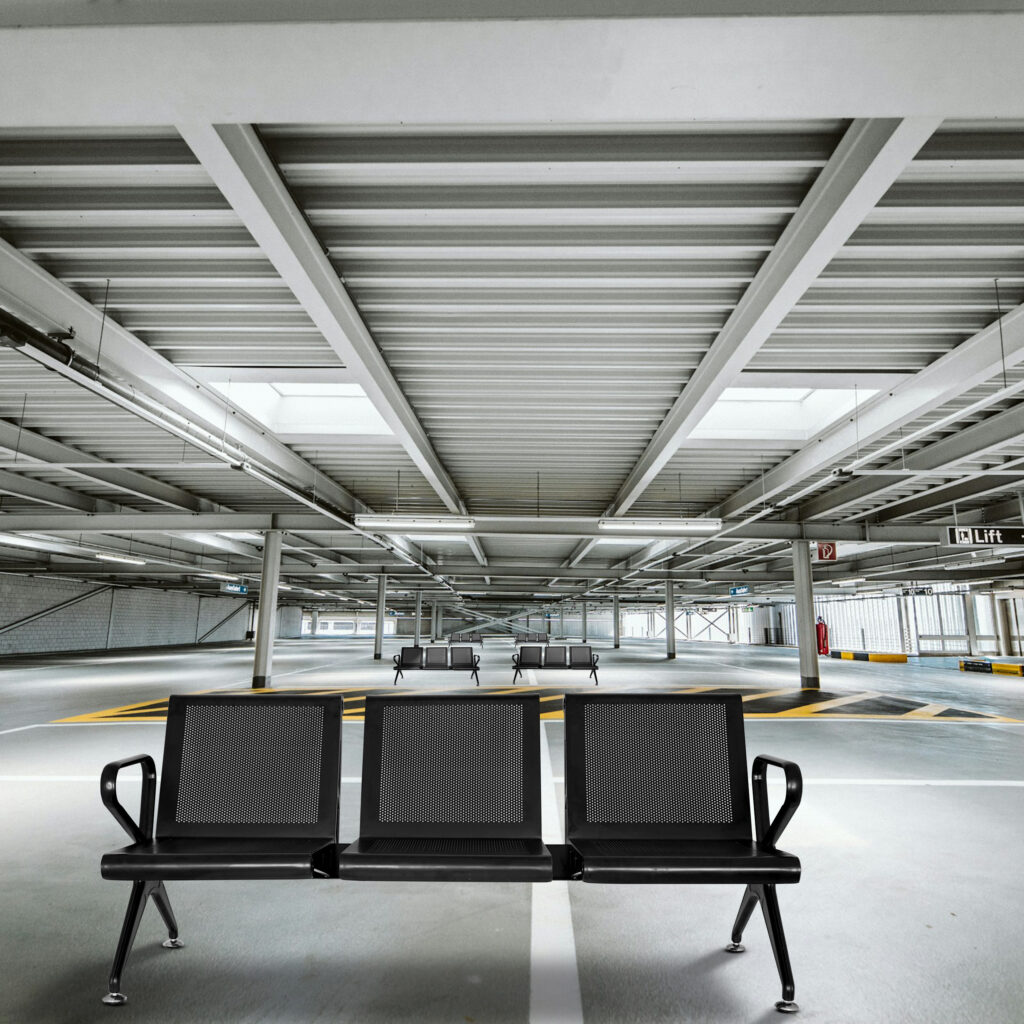
In healthcare settings, where people often arrive anxious or uncertain, a soft, supportive chair with armrests and gentle curves can ease emotional tension. Firm yet plush cushioning tells patients: You’re cared for. In contrast, hard plastic chairs organized in rigid rows can suggest coldness or inattention.
Space Affects Perception
Overcrowded chairs? That is impersonal and confining. Lots of space? That promotes calm and shows respect for one’s own space. Spatial psychologists who design apply waiting chairs to flow and give people room to breathe, even in small spaces.
Posture and Power
The design of a chair quietly conveys control and authority. Large-proportioned, high-backed, plush chairs give off a sense of solidity and importance. Simple chairs may represent efficiency and inventiveness. Lounge chairs suggest relaxation and casualness.
Each decision reflects back on the company.
The Design Details That Matter
Let’s review the crucial elements that elevate waiting chairs above simple seats.
1. Material
Material affects both the physical and visual perceptions. Examples of natural materials that are associated with comfort and quality are leather and wood. Softly covered, upholstered chairs emphasize friendliness and hospitality. Despite their durability and ease of cleaning, metal & molded plastic can occasionally be sterile unless they are tempered with color or shape.
Durability and maintenance are further concerns. Materials in high-use areas need to withstand repeated use without loss of appearance. Designers have to weigh functionality against feeling.

2. Color
Color affects mood more than most are aware. Soothing blues & greens are perfect for areas of well-being. Neutrals communicate professionalism and longevity. A splash of color—a mustard yellow or rich teal—can add energy and contemporaneity without overwhelming the space.
Brand colors can be quietly added to chair upholstery to support visual identity without feeling too commercial.
3. Form
A chair’s shape conveys its tone. Soft borders buildup friendship and intimacy. Lines in architecture show accuracy & structure. Overstuffed, low-slung couches would be too relaxed for a law office, but just right for a design studio.
Additionally, ergonomic design is important. Armrests, seat depth, lumbar support—these all contribute to physical comfort, which becomes emotional comfort.
4. Arrangement
It’s where the chairs are placed, not what they are. Are they in rigid rows like a bus station, or bunched in chatting clusters? Is there enough room for them to be alone? Do they look out onto a nice view or a bare wall?
Human actions is influenced by layout. It either fosters connection or maintains solitude. Placement can be purposefully used by designers to affect interaction and emotion.
Designing for Diverse Experiences
All waiting rooms are not created equal. It is necessary for the waiting chair to adapt to the experience that the space is trying to provide.
Healthcare Settings
In hospitals and clinics, proper sanitation and safety are important. Chairs need to be supportive for extended waits and simple to disinfect. All body shapes and sizes are accommodated by the extra-wide seats. Here, design needs to alleviate stress and promote stillness.
Corporate Offices
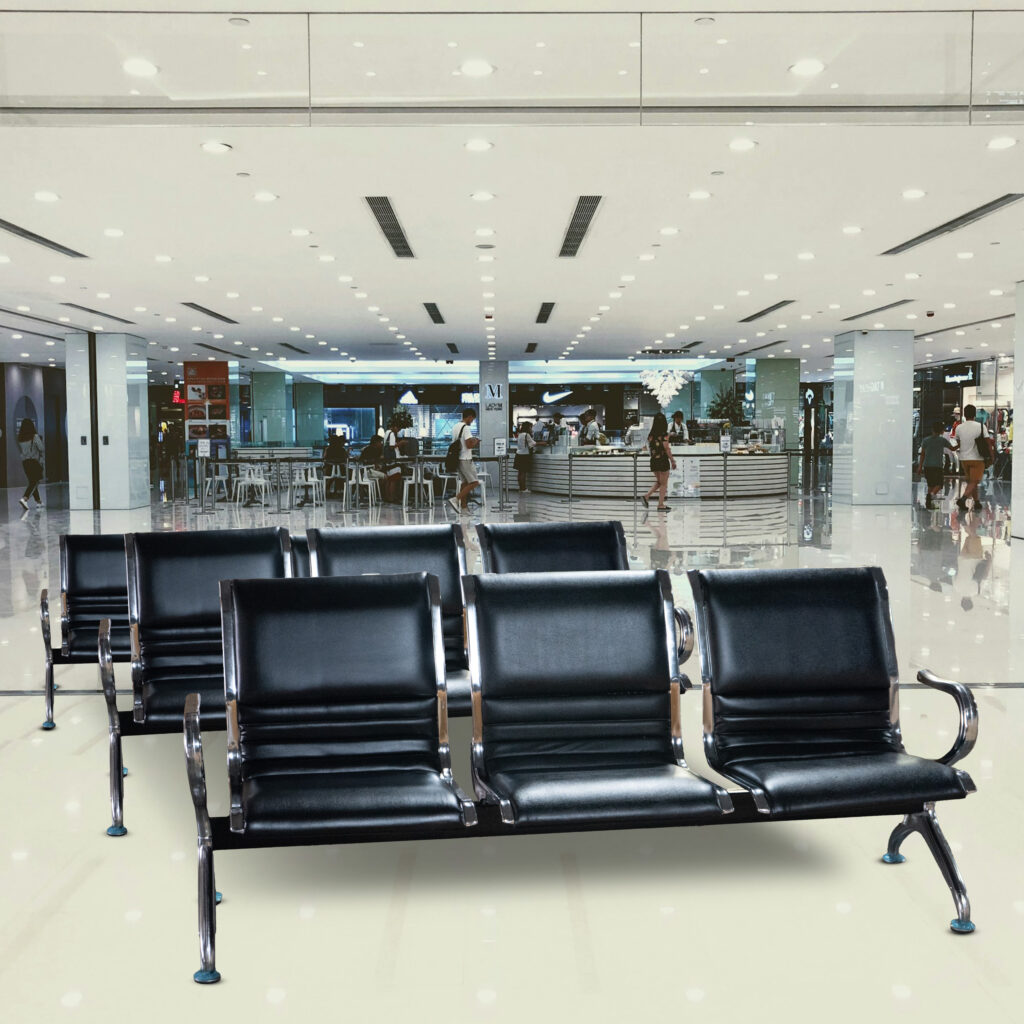
In commercial settings, the waiting space establishes the tone for the brand. Modern, sleek seats with leather or sculpted materials radiate sophistication and professionalism. They notify guests what kind of company they have just entered and are a part of the brand story.
Salons and Spas
In areas of well-being, the chairs need to encourage relaxation. Soft textures, natural shapes, and muted colors are successful here. The chair must be like a reassuring hug, communicating that this is a place of nurturing and pampering.
Educational or Government Institutions
Practicality comes first, but that doesn’t equate to forgoing good design. Seating that is durable, stackable, or modular can still look good. In these situations, design decisions must be based on availability and neutrality to ensure that all guests feel invited.
Inclusivity and Accessibility
Designing waiting chairs is not only about beauty and brand—it’s further about fairness.
Waiting chairs are far too usually a one-size-fits-all solution. However, to be inclusive, one must take note of everyone, including plus-sized patrons who need more roomy seats, elderly people who need sturdy armrests to stand, and people with mobility impairments who need higher seats or space for wheelchairs.
Accessible design is the norm, not the fad. Additionally, waiting chairs that can accommodate different demands send a powerful message: You are important. Here, you’re invited.
Technology Meets Comfort
Today’s waiting chairs are more and more integrating tech functionality—USB outlets, wireless charging, and even built-in lights or sensors. While it may not be necessary in every situation, this can elevate the experience in high-end places of employment, airports, or hospitality settings.
However, comfort and design integrity must always come first, followed by technology. Poor ergonomics cannot be replaced by an outlet for charging.
Designing Calm with Intention
You can’t avoid waiting. Unease, still is not.
When designers treat waiting chairs while deliberate design features rather than to be an afterthought, they can drastically alter the experience of a space. Appropriate seating layout ease stress, build faith, and provide an unforgettable first impression that words cannot describe.
In an age of din, disorder, and rapid-fire interactions, the waiting chair is something of an anomaly: a pause. A moment of calm. A moment to breathe.
Designing that moment—quietly, beautifully, and inclusively—is an art. One that speaks volumes before a single word is ever said.
