

Waiting chairs may be a minor aspect in public environments, but the proper selection can make a big difference in comfort, effectiveness, and attitude. From healthcare facilities to of transportation, carefully crafted seating can improve user experience, organize operations, and possibly strengthen the brand identity.
Following are some actual cases of how sensitive seating decisions have reinvented public areas for good.
1. Hospital Lobby, Chicago, IL
Issue:
A major city hospital received complaints complaints from guests about outdated textiles, uncomfortable chairs, and insufficient elderly Having access for citizens.
Resolution:
Managers of medical facilities replaced the fixed seating with old furniture with modular chairs with ergonomic support, antimicrobial material, and a larger seat width options for ease of access. Additionally, they added some high-back chairs and bench seating to provide freedom and choice.
Outcome:
Ratings of patient contentment (comments about the waiting room) increased by 25%.
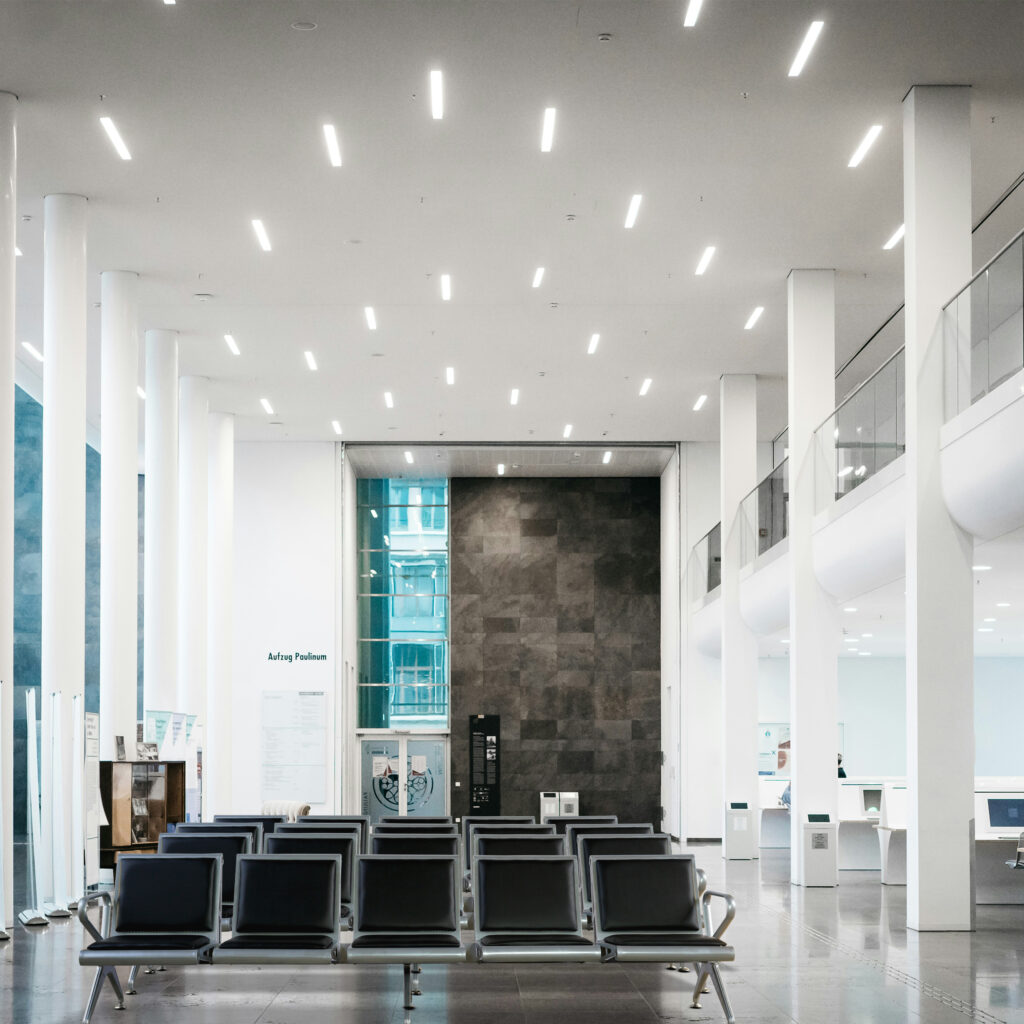
Reduction of needs for maintenance because of long-lasting, easy-to-clean material
Fewer patient grievances, especially from elderly guests
Improved modern, inviting lobby loo
Key Takeaway:
Ergonomic and Seats that are Easily reachable design directly enhances the healthcare experience—comfort enhances both well-being and perception.
2. City Transport Terminal, Austin, TX
Problem:
A high-volume The The transportation endpoint must accommodate fluctuating traffic loads while maintaining a neat, effective environment. Old, worn-out benches were difficult to maintain, and there were issues setup. created traffic jams in crowded areas.
Solution:
The city implemented a “seating-as-a-service” concept that made possible them to roll and re-arrange seasonal modular seating. High-strength materials supported the integration of under-seat charging units and protective, graffiti-resistant coatings
Results:
Added 15% more seating without increasing the footprint
Less cleaning time and vandalism-maintenance repairs
Increased passenger flow with more optimal layouts
Increased use of waiting areas due to increased comfort and charging access
Key Takeaway:
For high-transit, dynamical areas, smart seating alternatives can improve productivity Improving client pleasure while minimizing costs control with flexible service options.
3. Government Services Centre, Seattle, WA
Problem:
Long and waiting times contributed to a stressful environment. Current seating was too thin, unsupported, and provided minimal privacy. The atmosphere was cold and institutional.
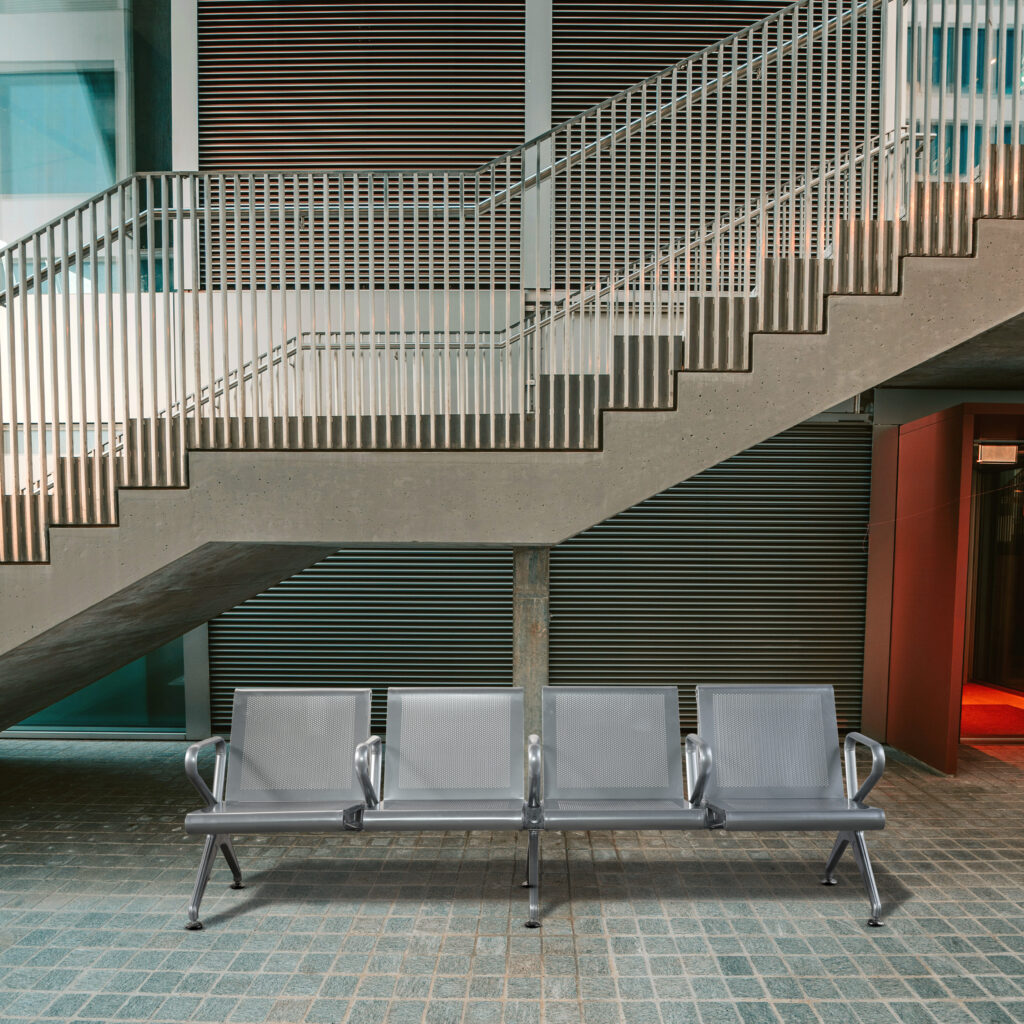
There were comfortable seats available., calming colour palettes, and seating groups with privacy separators. Individual and shared seating allowed for solitude or connection, depending on user preference
Chairs made of recyclable and recycled materials were used in designs that complied with the city’s environmental efforts.
Results:
Reduced perceived wait times (reported by guests
Improved Workflow for workers, with guests more easily channelled to the right places
Increased aesthetics compatible with contemporary civic architecture
Enhanced sustainability pledges through tangible selection
Key Takeaway:
Careful design, not just amount, of seating can affect mood, behaviour, and public confidence in government facilities.
4. Podiatric Clinic, Orlando, FL
Problem:
The waiting room at the clinic had no child-friendly accommodations and care for caregivers. Typical chairs were too stiff and provided no accommodation for children’s requirements or strollers.
Solution:
They provided interactive, long-lasting seating configurations with rounded corners, bright colours and low-slung chairs for kids. Plush seating areas and family groups assisted parents with toddlers
Results:
Kids were quieter and more focused in line
Parents felt more relaxed and assisted
The layout reduced traffic and improved safety.
Staff reported easier check-ins and less stress during rush times
Key Takeaway:
Tailoring waiting room furniture to user demographics—especially families—creates a more welcoming, functional space that benefits everyone.
5. Corporate HQ Reception, New York, NY
Problem:
A global tech company wanted its weal come place to showcase creativity and hospitality but was using outdated seating that clashed with its brand identity
Solution:
Designers implemented high-end, tech-integrated chairs with sleek, minimalist designs. Soft lighting, lounge-style options, and subdued colour accents all contributed to the upscale yet friendly environment
Results
Stronger brand consistency between physical and online presence
Contradictory views from job seekers, and CEOs
A welcoming space that fostered casual meetings and networking
Technology was thoughtfully embedded, with wireless chargers and tablet stands integrated directly into the seating design.
Key Takeaway:
Waiting chairs may be turned into a strategic brand asset, especially in settings where first impressions lead client relationships and hiring.
