
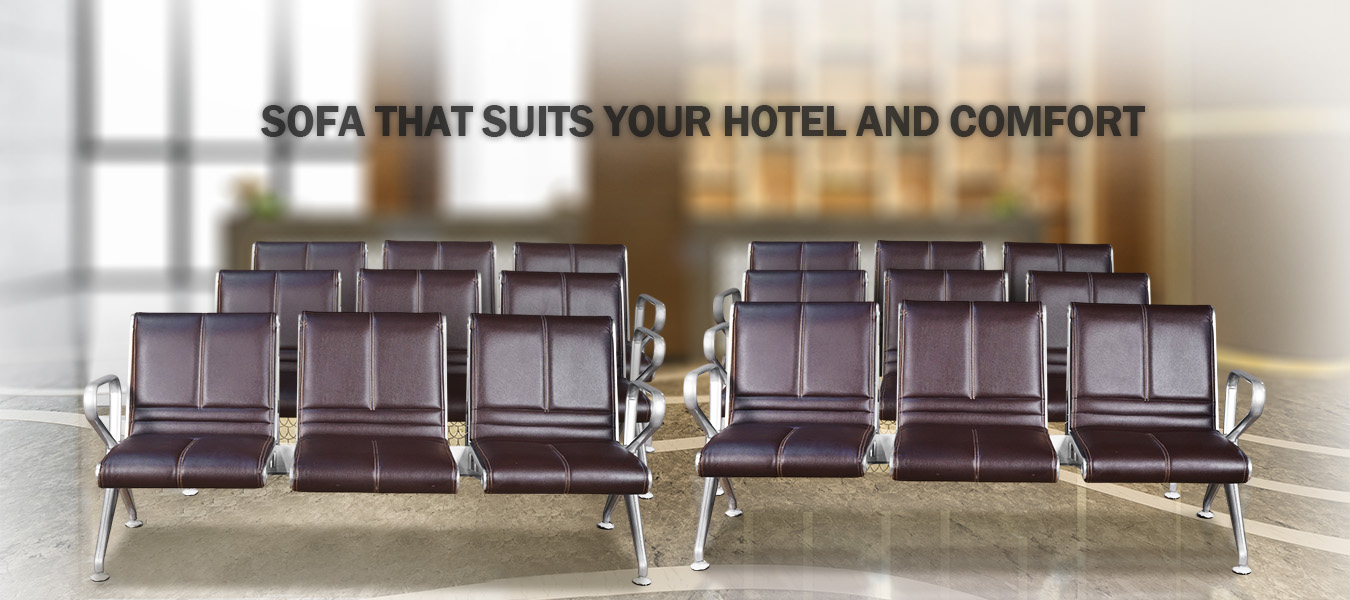
Public seating is ubiquitous—airports, hospitals,Government buildings and bus stations, schools, shopping malls—However, most people don’t pause to appreciate the artistry. involved in creating these daily requirements. Expert welding is at the core of sturdy, safe, and durable public seating, along with well-designed planning and quality materials.
In this article, we bring you “behind the welds” to disclose what makes public seating functional and aesthetically pleasing, and why superior workmanship is important to manufacturers, customers, and the end-users who ride these seats daily.
1. Why Welding Plays a Vital Role in Public Seating
The process of joining metal components using heat, pressure, or both is called welding. In public seating, welding plays a important role because it:
✅ Gives strength and stability
✅ Produces a smooth, clean look
✅ Resists heavy day-to-day wear
✅ Resists wear, vibration, and exposure
Without careful welding, the most well-designed chair will buckle under stress. That’s why experienced manufacturers make investments in skilled welders, state-of-the-art equipment, and strict quality control.
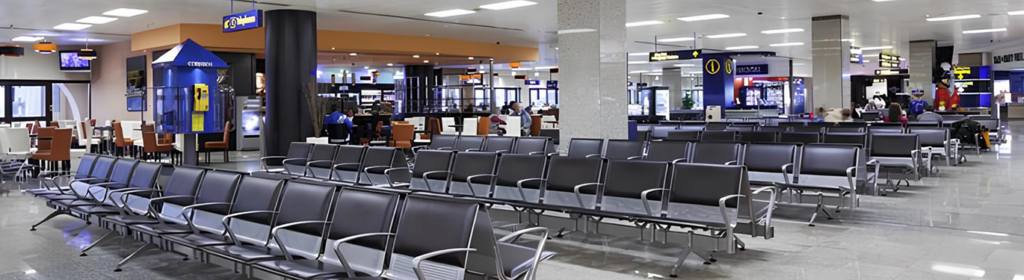
2. Types of Welds Utilized in Seating
Different welding techniques are necessary for different public seating components. Typical processes are:
MIG welding (Metal Inert Gas):
When joining steel and aluminum in a structure, this method is quick and flexible.
TIG welding (Tungsten Inert Gas):
Clean and precise, commonly used where high-grade, fine details are necessary.
Spot welding:
Best suited to joining thin sheets of metal, commonly applied in seat and backrest panels.
All methods have their benefits , but they all have One goal: to establish robust, enduring relationships that stand the test of years of wear and tear.
3. The Human Touch: Skilled Welders at Work
Although automation dominates in contemporary manufacturing, a lot of the precision work in public furniture still relies on human artistry. Skilled welders:
Have to read and understand intricate technical blueprints
Choose the best welding technique for a given task.
Make clean, consistent weld beads
Check over their own work for imperfections like cracks, bubbles, or undercuts
The finest welders have an artisan’s mindset toward their work, marrying technical accuracy with pride in producing products that peoples will rely on and use every day.
4. Weld Strength Design and Engineering
The strength of a weld doesn’t just rely on the welder—it begins at the design table.
Producers need to make sure that:
✅ Frames are designed to evenly distribute stress
✅ Joint configurations Give sufficient welding access
✅ Materials weldable
✅ Weld areas strengthened as necessary
Corner joints, leg-to-seat joints, and armrest supports are all high-stress areas that demand meticulous engineering and perfect welding.
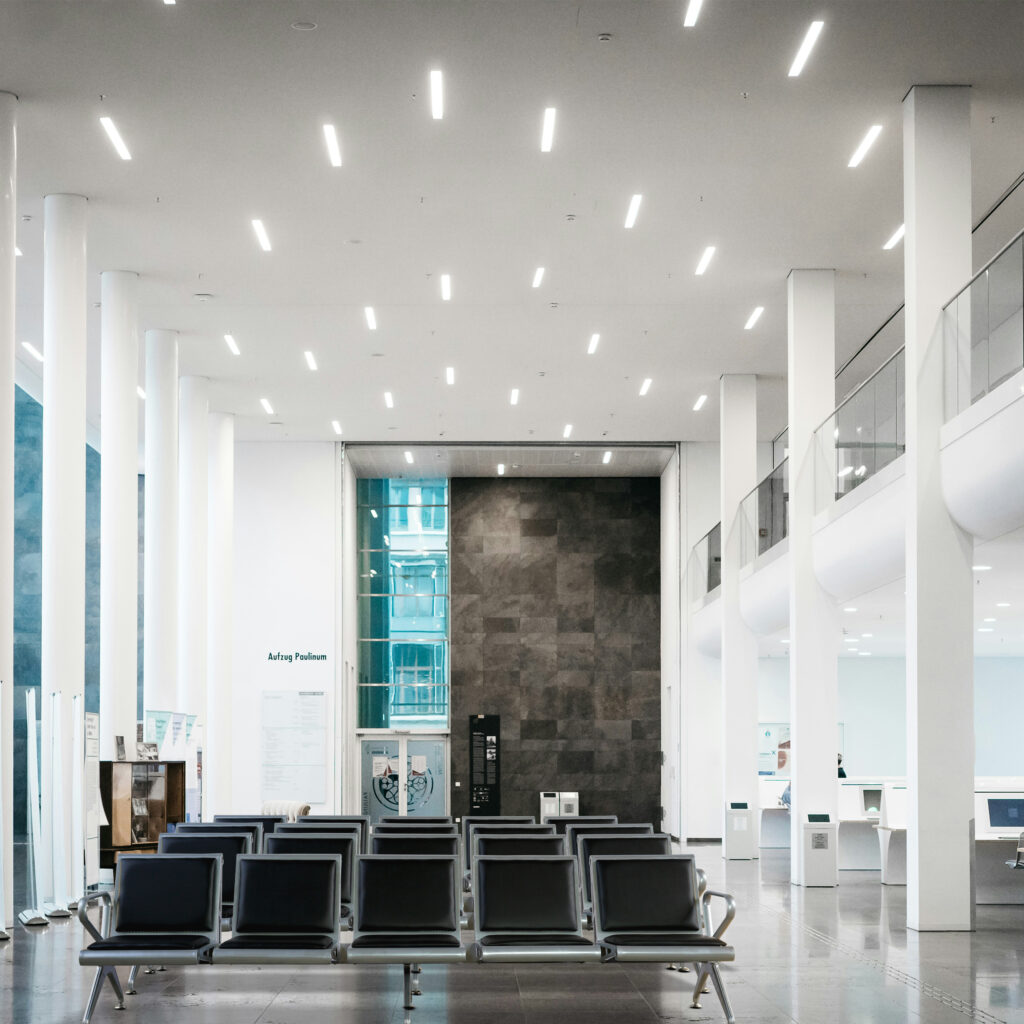
5. Material Matters: Choosing the Right Metals
The weld process and final product longevity are both influenced by the quality of the materials used for public seats. Standard materials are:
Mild steel: Durable, cost-effective, easy to weld—best for heavy-use seating
Stainless steel: Corrosion-proof, slim, and clean—perfect for airports and hospitals
Aluminum: Light, rust-resistant, and sleek—employed in design- or outdoor-based applications
Combining the proper material and the proper weld ensures not only longevity but aesthetic and beauty.
6. Quality Control: Testing for Strength and Safety
Even after welding, the job isn’t complete. Great manufacturers subject every frame that is welded to a series of strength and safety tests, including:
Visual checks for crack, gap, or uneven welds
Load tests to confirm the chair accepts certain weights
Fatigue tests to mimic years of regular use
Corrosion resistance tests, especially for outdoor or coastal use
By investing in testing, manufacturers ensure that the seats they ship meet the highest level of safety and performance.
7. The Aesthetics of Craftsmanship
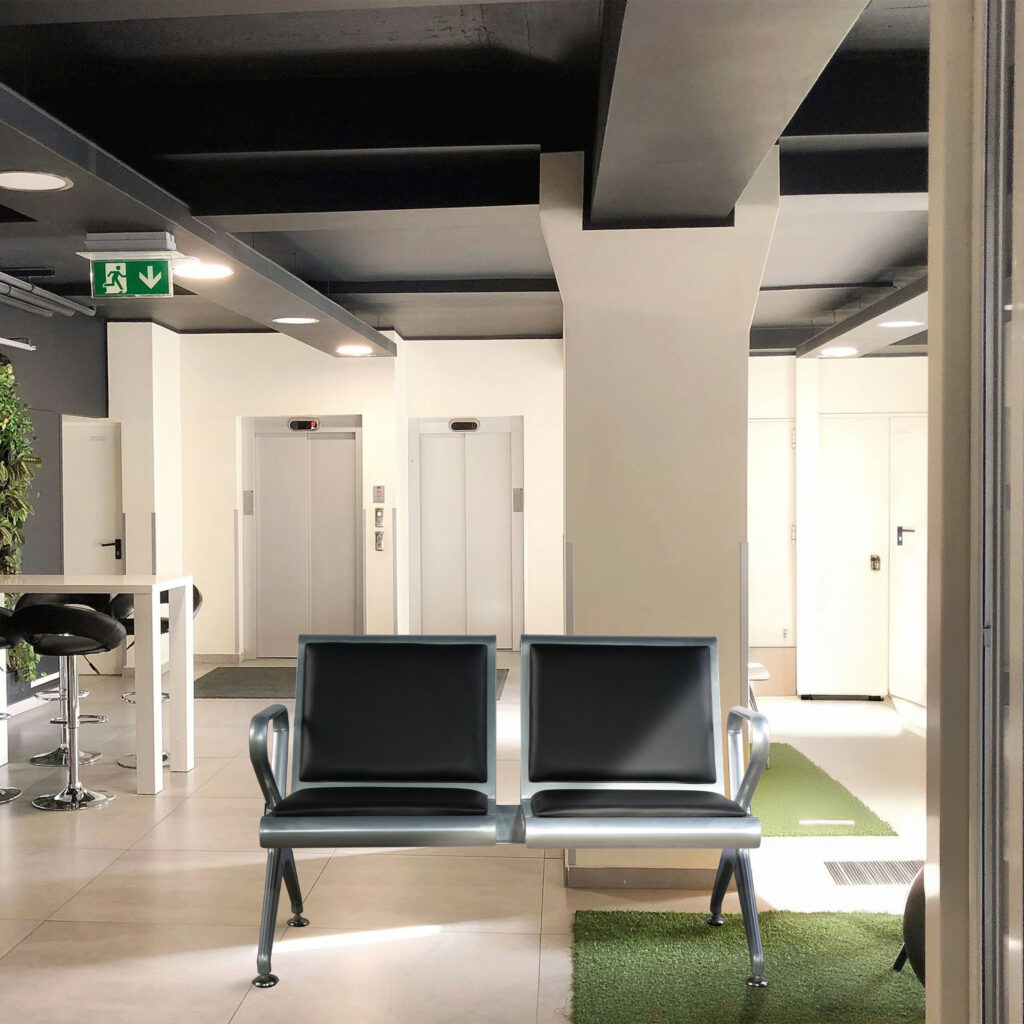
In addition to strength and function, welded chairs must appear appealing. Professional welders are careful about:
✅ Smooth, consistent weld beads
✅ Easy connections that are invisible to the eye
✅ Easy to powder coat or paint surfaces
When welds are performed correctly, the outcome is a shiny, expertly completed that speaks to the quality of the brand that stands behind it.
Conclusion: Respect the Craft, Trust the Seat
Behind each robust, trustworthy public seat is a crew of artisans and engineers who possess invested knowledge and attention to detail into their work. From the integrity of the welds to the gloss of the complete, every detail counts.
Here at WaitingChairsManufacturers.com, we admire and align with manufacturers who make craftsmanship their number-one priority. As you select your public seating options, don’t forget—you’re not simply purchasing chairs; you’re making an investment in the craftsmanship, skill, precision, and pride of the peoples who crafted them.
