

First impressions count in business. Whether you own a healthcare clinic, a law firm, a corporate office, or a hip co-working environment, your The waiting room serves as your clients’, patients’, or guests’ first Physical position of contact. And just to be You may have spent money on spiffy signage or nicely crafted ambient music, a lot of businesses forget one very important aspect — the seats.
It’s time to ditch the issue-of-the-plastic-or-elderly-fabric-covered-chair. Your An old chair is not worth much to be a waiting room. Here’s why The right The Settings of the seats varies change your space, solidify your brand identity, and leave a long-lasting positive impression.
1. Seating Reflects Your Brand
Just to be your logo, website, or business card, your The waiting room is part of your brand image. If your The furniture seems to be out of date., tired, or mismatched, what are you telling people? That could suggest neglect, cost-saving, or lack in respect to customer comfort — none of which inspires confidence.
Conversely, thoughtfully selected seats tells your company cares about professionalism, comfort, and details. Your brand may be sleek and contemporary or comfortable and inviting; either way, your seating should be an expression of that personality. Leather sofas, mid-century modern armchairs, minimalist benches — every option sends a signal.
2. Comfort Is Not Optional
Comfort is expected rather than a luxury. Uncomfortable seating can lengthen wait times and increase stress levels, especially in settings similar to medical or legal places of employment where customers may already be anxious.
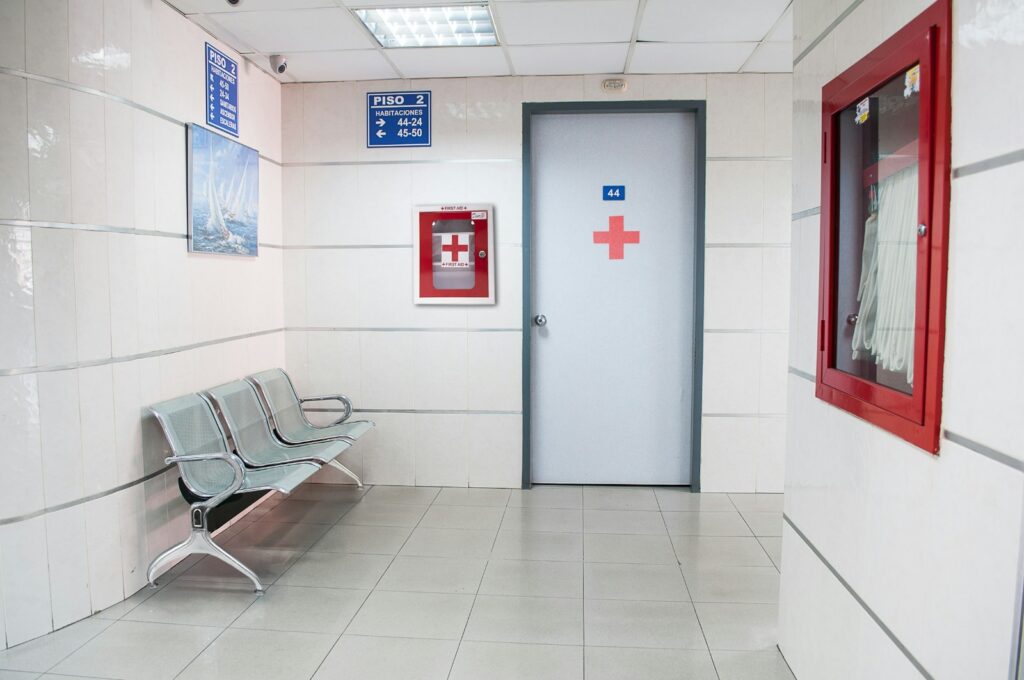
Supportive cushioning, An ergonomically sound design with enough space between chairs are more important than you could possibly imagine. Visitors who feel at ease are patient, more at ease, and more inclined to leave a positive Knowledge of the broad field. And in the age of online reviews and instant gratification, that experience can have a direct effect on your reputation.
3. Design Affects Mood and Behavior
People’s emotions and behavior can be affected by a well-designed waiting space. A welcoming, A well-planned space can improve focus, reduce anxiety, and even encourage brand contact (think of magazines, digital signs, or brochures placed thoughtfully close to comfortable chairs).
In medical environments, research has found that soothing, well-made Yes, spaces can decrease perceived wait times and even improve medical results. In customer-based businesses, a chic waiting room can create a “wow” moment that sets the tone for the entire experience.
4. Functionality Counts More Than You Realize
“The best options aren’t just about aesthetics — they serve a practical purpose, too.”
. Think about your own particular needs:
Do patients have to sign forms? Consider chairs with side tables.
Pregnant mothers or older guests? Invest in chairs with arms if enough spinal support for easier mobility.
Welcoming families? Add kid-friendly options or little spaces for relaxation.
Gadget-loving customers? Consider seats with built-in charging stations or proximity to power outlets.
Functionality is not one size fits all. Design your seating options according to the daily use of your location for waiting.
5. Durability Is an Investment, Not A Cost
It’s easy to opt for more affordable chairs, especially when purchasing large quantities. “However, cheap seating often comes with hidden costs — quicker wear and tear, frequent replacements, and the risk feeling unease that can turn customers away.”
“Investing more upfront in high-quality, commercial-grade furniture makes sound financial sense in the long run.”
You receive extended life, improved output, and fewer maintenance issues. And durable seating endures more from heavy foot traffic and makes Your space looks modern.

6. Inclusivity and Accessibility Are Crucial
Seating must be inclusive — not only stylish or comfortable, but available to all. Think about seating that Its able to accommodate every body type and physical ability. Armchairs and elevated seat heights are useful for older guests. “Inclusive seating options, such to be wider chairs or benches, promote comfort and dignity for guests of all sizes.”
Arrangements that are Accessibility for wheelchair users suggests no one is left out at the back.
Inclusive seating isn’t good hospitality; it’s good business and, more and more, a mandated necessity by law.
7. Sustainability Is a Increasing Expectations
With growing numbers of people caring about the environment, your furniture choice will speak volumes about your values. Search for seating with sustainable construction materials, or businesses that employ ethical manufacturing practices and recycled parts.
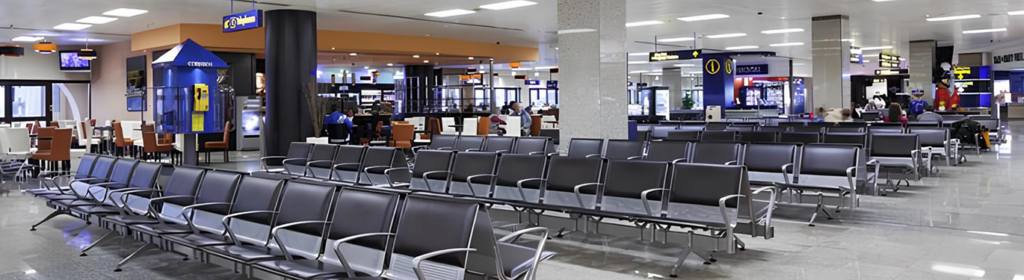
Not only is sustainable furniture kinder to the earth, but it has the power to deeply appeal to environmentally aware customers, providing another layer of reinforcement of mutual values between your brand and your customers.
8. It Puts the Customer Experience in Perspective
“The waiting room is Usually both the first and last thing guests see, leaving a lasting impression.”
It flanks the customer experience. IYour waiting space should reflect your desire to make people feel valued, accepted, and safe in your services.
