

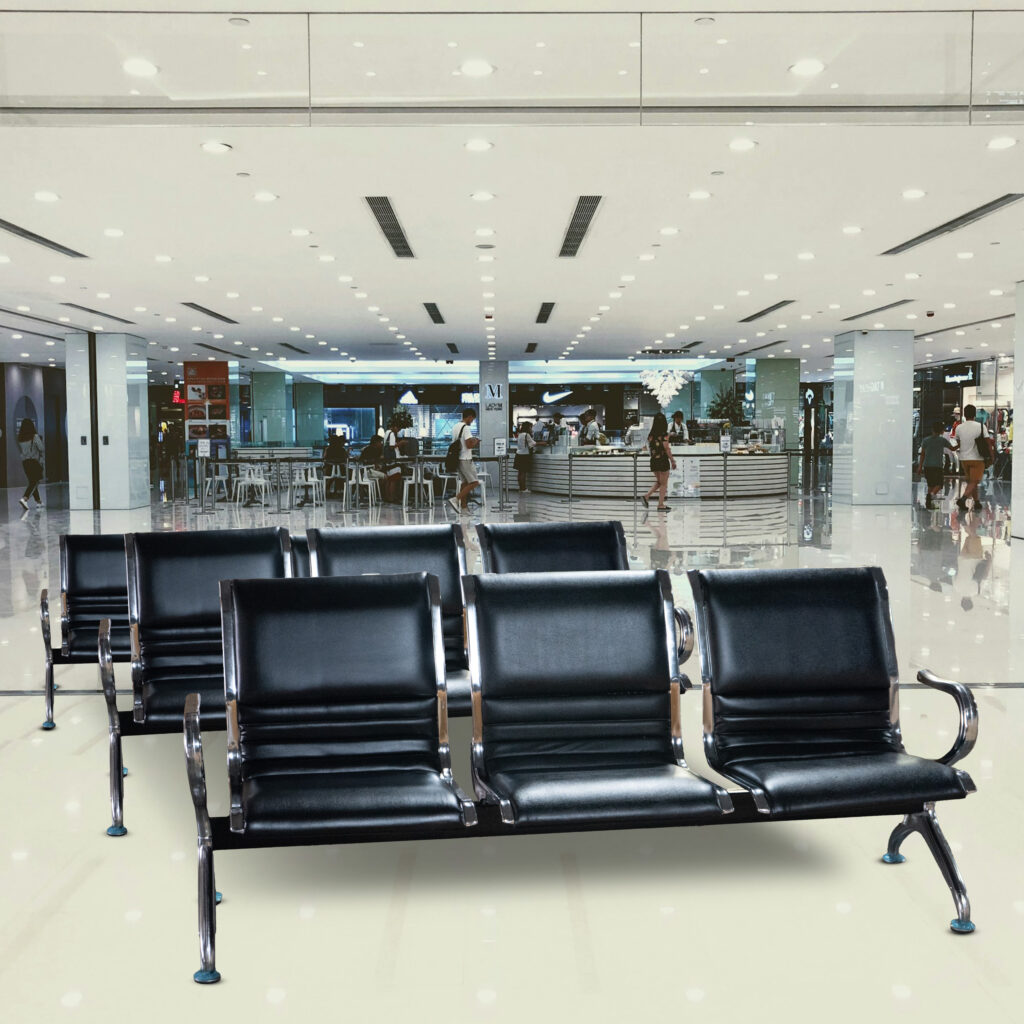
In fast-paced environments such to be hospitals, government buildings, airports, and corporate reception areas, the waiting chair is often the first of contact between a tourist and establishment. Waiting chairs have a disproportionate impact on experience, brand messaging, and even supporting operational effectiveness, despite their seeming insignificance in the overall context of operations.
For managers of facilities who are called upon to find or replace seating, the choice is far more than a matter of style. It’s about comfort, durability, Budget-friendly safety, Adaptability and and regulatory guidelines.
This is What facilities managers should know need to think about before buying or leasing waiting chairs.
1. Comfort Is Not a Luxury—It’s a Necessity
Uncomfortable seating can be passed over to be unimportant until you see its effect: fidgety guests, bad reviews, or even people standing rather than sitting. Particularly in healthcare or government settings, where wait times will Chair comfort has a direct impact on how Customers’ perceptions of your service, even if it is drawn out and annoying.
What to look for:
Ergonomic designs with spinal support
Padded seating with high-resilience foam
Armrests for easy sitting and standing
The seat depth and width should accommodate a variety of body shapes and sizes to ensure comfort for all users.

2. Durability and Maintenance Are More Important Than You Realize
Waiting chairs are resources that are Often used.. Scratched surfaces, groaning hinges, or worn-out cushions can raise maintenance costs and harm your facility’s reputation
Important factors:
Materials that can take a beating (e.g., steel frames, commercial-grade upholstery)
Stain-resistant, easy-to-clean surfaces
interchangeable parts or modular parts for quick repairs
Warranties and service contracts
3. Safety and Compliance Not Able Being an Afterthought
Chairs must be safe for everyone to use and meet local codes. This covers combustibility weight limit, and ADA access.
Make sure chairs are:
Stable and tip-proof
Loaded to suitable acts for weight
Constructed with usability in mind (e.g., height, armrest positioning)
Meets fire codes and material safety requirements

4. Design Mirrors Brand Identity
Your waiting room says to be much about your brand your logo does
Everything from the seating layout to Design decisions send a subtle but powerful message about your organization’s values, attention to detail, and commitment to comfort.
Design tips:
Coordinate colours and concludes with brand guideline
Think modular or mobile designs for adaptability
Use biophilic or soothing elements where appropriate
Steer clear of overly institutional or stodgy appearances
5. Flexibility for Changing Spaces
Whether that changing floor plans, growing in size, or adapting to health regulations, new facilities must be flexible. Furniture that is immovable may limit your options.
Prioritize these:
Stackable or linkable chairs
Modular seating systems
Furniture with built-in tech (e.g., charging stations, signs
Service models such to be Waiting Chairs to be a Service (WCaaS) that allow you to to grow and modify easily
6. Total Cost of Ownership vs. Upfront Cost
It’s tempting to go for the lowest price, but poor-quality chairs can end up costing more in replacements, repairs, and reputational damage. Consider lifecycle costs and support options.
Evaluate
Purchase vs. lease options
Availability of maintenance packages
Cost of replacements and downtime
Sustainability and end-of-life disposal or recycling
7. User Feedback Is Valuable
Before a big investment, get feedback from the people who will be using or handling the chairs on a daily basis—front office staff, cleaning teams, to be the customers themselves.
How to get feedback:
Administer short questionnaires or feedback cards at the living room for waiting
Pilot a few units before launching company-wide
Watch how In reality, chairs are used. in actual environments
